Garden Companion Planting Guide
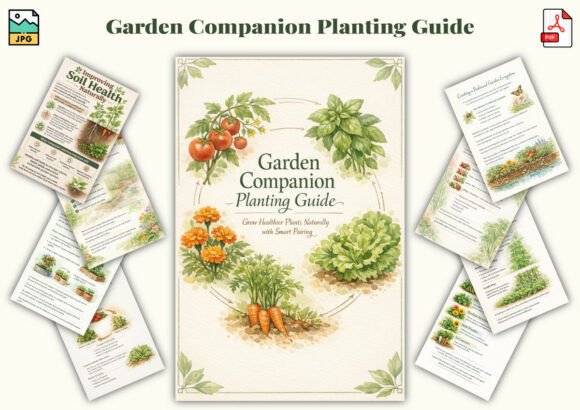
Companion planting is one of the oldest gardening practices, yet it often feels like a secret language shared only among experienced growers. The Garden Companion Planting Guide changes that. This 26-page ebook workbook breaks down how plants support one another for stronger growth, natural pest control, and better yields, no matter your skill level or space. Whether you tend a backyard plot, a raised bed, or a few containers on an apartment balcony, the guide translates centuries of observation into clear, actionable steps.
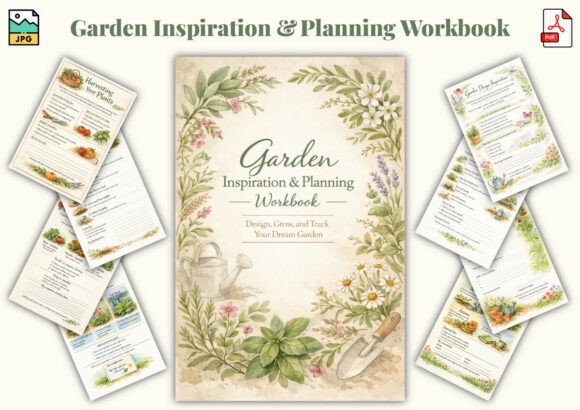
What makes this guide different is its focus on making companion planting practical rather than theoretical. Instead of overwhelming you with botanical jargon, it offers straightforward explanations, easy-to-scan charts, and interactive planner pages that help you apply the ideas directly to your own garden. The watercolor botanical theme keeps the layout clean and inviting, so reading it feels more like exploring a friend’s garden notebook than studying a textbook.
Why the Garden Companion Planting Guide Matters to Different Gardeners
Gardening is not a single activity. It means different things to different people, and a resource like this guide serves varied purposes depending on who you are. Understanding those differences can help you decide whether it fits your own goals.
For beginners and hobbyists
If you are new to gardening, the sheer number of variables can feel paralyzing. Which plants go together? Which ones compete? When should you plant what? The Garden Companion Planting Guide removes that uncertainty by presenting clear, beginner-friendly explanations alongside visual charts. You do not need prior experience to use the quick-reference pages. The guide also includes a section on common mistakes to avoid, which saves beginners from learning the hard way.
A hobbyist growing tomatoes and basil for the first time, for example, can flip to the pairing pages and immediately see that these two plants are natural allies. Basil helps repel pests that bother tomatoes, and tomatoes provide partial shade that basil appreciates. That single pairing can transform a novice’s harvest without any extra effort or expense.
For experienced and professional gardeners
Even seasoned growers can benefit from a structured reference. Professionals managing community gardens, teaching workshops, or planning large vegetable beds often need a reliable, organized resource they can consult quickly. The Garden Companion Planting Guide offers seasonal planting guidance and soil health improvement tips that complement hands-on experience. Its interactive planner and reflection pages encourage a more thoughtful approach to garden layout, which experienced users can adapt to their own systems.
A professional gardener overseeing multiple raised beds might use the guide to test new combinations or to document observations across seasons. The planner pages become a record of what worked, which is invaluable for long-term improvements. For this audience, the value lies in the guide’s structure and reliability rather than basic instruction.
For creators, educators, and publishers
Teachers, workshop facilitators, and content creators often need materials that are both accurate and visually appealing. The Garden Companion Planting Guide, with its clean layout and botanical watercolor style, works well as a teaching tool or a supplementary resource. Educators can pull quick-reference charts for classroom handouts or use the seasonal guidance sections to structure a lesson plan.
Publishers and bloggers looking for trustworthy content to recommend to their audience will appreciate the guide’s adherence to practical, evidence-informed principles. It presents companion planting in a way that aligns with natural pest control and soil health strategies, making it suitable for audiences who value organic and sustainable approaches. The print-ready design also means it can be offered as a bonus or lead magnet without additional formatting work.
For small business owners and urban gardeners
Small-scale farmers, market gardeners, and urban growers operate under tight constraints. Space is limited, and every plant choice affects both yield and pest pressure. The Garden Companion Planting Guide helps them maximize productivity within small areas by showing which plants can be intercropped or grown close together without conflict. The natural pest control strategies are especially relevant for those who want to reduce reliance on synthetic inputs.
An urban gardener with a 4×8-foot raised bed might use the guide to plan a dense but harmonious layout: lettuce under the shade of taller tomatoes, carrots alongside onions to deter pests, and marigolds at the edges to repel nematodes. Every inch of soil works harder, and the gardener spends less time troubleshooting problems.
Evaluating the Guide: What Matters Depending on Your Priorities
Different readers will weigh features differently. Knowing which factors matter most to you can help you decide whether the Garden Companion Planting Guide aligns with your expectations.
Ease of use and accessibility
For busy adults who garden in spare moments, ease of use is critical. The guide’s 6×9 inch page size and clean layout make it comfortable to read on a screen or printed out. The interactive planner and reflection pages are designed for quick, practical use rather than lengthy journaling. Beginners especially appreciate that they can find what they need in seconds rather than sifting through dense text.
Cost and value
At 26 pages, the guide offers substantial content without being overwhelming. For the price, you get both educational material and a working tool. Compared to buying multiple books on companion planting, garden planning, and natural pest control separately, this single resource delivers concentrated value. Hobbyists and budget-conscious gardeners will find it a cost-effective entry point.
Quality and design
The watercolor botanical theme is not just decorative. It serves a functional purpose: the gentle coloring makes the charts easier to scan, and the consistent visual style reduces cognitive load. For educators and creators who plan to share the guide or use it in presentations, the high-quality, print-ready design is a significant advantage. It looks professional without being sterile.
Flexibility and long-term usefulness
A guide that sits on a shelf after one season has limited value. The Garden Companion Planting Guide is built for repeated use. The seasonal planting guidance and soil improvement tips apply year after year, and the interactive planner pages allow you to track changes across different growing cycles. For experienced gardeners, the reflection pages become a long-term journal that deepens your understanding of your own garden over time. For beginners, the same pages offer a structured way to learn from each season.
Practical Examples for Different Reader Types
Seeing how someone like you might use the guide can make the decision easier.
- A beginner with a small patio garden starts by reading the “popular plant pairings” section. They plant basil near tomatoes, and they add a few marigolds in between. Within weeks, they notice fewer aphids and stronger tomato plants. The guide helped them succeed on their first attempt.
- A homeschooling parent uses the seasonal planting charts to plan a year-round garden curriculum. Each month, they introduce one new pairing and let the children observe the results. The natural pest control section becomes a hands-on science lesson about ecosystems.
- A community garden coordinator prints the quick-reference pages and laminates them for shared use. New plot holders can check compatibility before planting, which reduces conflicts and improves overall garden health. The coordinator also uses the planner pages to map out the shared beds each spring.
- A freelance garden consultant incorporates the guide into client kits. When a client asks for a low-maintenance, organic plan, the consultant pulls relevant charts and customizes them for the client’s space. The guide becomes a value-add that sets their service apart.
Does the Garden Companion Planting Guide Match Your Goals?
Before investing time or money, it helps to think about your own priorities. If you want a dense scientific textbook with detailed soil chemistry, this guide is not that. But if you want a practical, visually clear, and immediately useful resource that helps you grow smarter, it fits perfectly.
The guide works best for gardeners who value simplicity and results over complexity. It is ideal if you are looking for a structured yet flexible way to plan your garden, avoid common pitfalls, and naturally improve plant health without adding more work to your routine. The interactive elements make it suitable for both quick reference and deeper seasonal reflection.
Whether you are a beginner seeking confidence, an experienced grower wanting a better system, or a creator looking for shareable content, the Garden Companion Planting Guide offers a balanced blend of education and practicality. It meets you where you are and helps you move forward, one plant pairing at a time.