The End-of-Life Preparation Guide: A Practical Organizer for Life's Most Important Details
Few tasks carry as much emotional weight as preparing for the end of life. Yet postponing this work often leaves families scrambling during moments of grief, searching for passwords, policies, and preferences that should have been documented years earlier. The End-of-Life Preparation Guide addresses this gap directly—not as a morbid exercise, but as a thoughtful tool for clarity, care, and peace of mind.
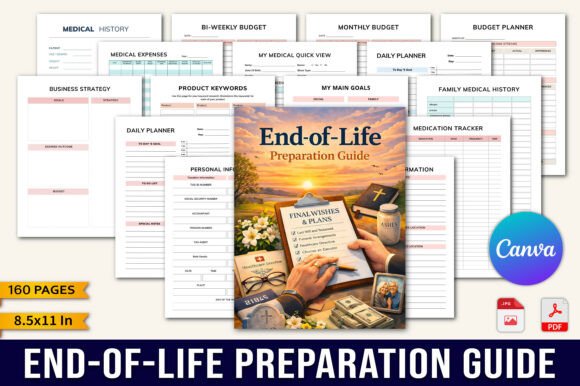
This comprehensive all-in-one organizer helps you document essential life details, final wishes, and critical information in one secure place. It combines personal planning, medical records, financial tracking, and daily organization tools into a single resource that makes preparedness feel manageable rather than overwhelming. Whether you are organizing your own affairs or helping a loved one, this guide transforms a daunting process into a structured, step-by-step journey.
What Makes This Guide Different From Standard Planners
Most planners focus on productivity or goal setting. The End-of-Life Preparation Guide shifts the focus toward legacy, clarity, and reducing burden on loved ones. It acknowledges that preparation is not about fear—it is about responsibility and care. The guide walks you through documenting everything from login credentials to obituary preferences, ensuring nothing falls through the cracks.
One of its standout qualities is the way it bridges personal and practical realms. You can document your medical history on one page and your vision board on the next. This blend of administrative necessity and personal expression makes the process feel more human and less clinical.
Core Sections That Cover Every Aspect of Life
The guide is structured around several dedicated sections, each addressing a specific area of life. Below is an overview of what you will find inside.
Personal Information and Electronic Device Logins
The guide begins with the basics: your full name, contact details, and emergency contacts. But it goes further by including a dedicated space for Electronic Devices Login information. In today's digital world, family members often cannot access phones, computers, or accounts without passwords. This section solves that problem by letting you record usernames, passwords, security questions, and device locations in one place.
Important Documents and Possessions
Where is your will stored? What about your passport, property deeds, or insurance policies? The Important Documents section provides a structured way to list every critical paper and its location. The My Possessions section complements this by allowing you to catalog valuable or sentimental items, along with notes on who should receive them. This prevents disputes and ensures your wishes are honored.
Special Instructions and Obituary Planning
This is where the guide becomes deeply personal. The Special Instructions section lets you record funeral preferences, burial or cremation wishes, and any cultural or religious rituals you want observed. The Obituary section provides prompts for writing your own life summary—dates, achievements, family members, and stories you want included. Completing this now spares loved ones the stress of guessing what you would have wanted.
Medical Information and Healthcare Providers
Medical preparedness is a cornerstone of the guide. Sections for Emergency Contacts, Hospital, Insurance Pharmacy Information, and My Healthcare Providers ensure that your medical team and family know exactly who to call and where to find your records. The Family Medical History section allows you to document hereditary conditions, allergies, and past surgeries—valuable information for any future caregiver.
Daily, Weekly, and Yearly Planning Tools
While the guide is designed for end-of-life preparation, it also includes practical planning sections that keep your daily life organized. You will find a Daily Planner, Weekly Planner, Yearly Planner, and Daily Checklist. These are not filler pages—they help you maintain routines and track responsibilities even as you work through the more serious sections.
Trackers That Keep Life Running Smoothly
The guide includes several specialized trackers that serve both immediate and long-term needs:
- Medication Tracker – Log prescriptions, dosages, schedules, and prescribing doctors.
- Online Shopping Tracker – Keep tabs on recurring orders, subscriptions, and accounts.
- Shop Inventory Tracker – Useful for small business owners or those managing household supplies.
- Order Tracker – Monitor pending purchases and deliveries.
- Bill Tracker – Avoid late payments by recording due dates and amounts.
- Expenses Tracker and Spending Tracker – Maintain visibility over cash flow.
- Sales Tax Tracker and Supplies Equipment – Especially valuable for entrepreneurs and creators.
Personal Growth and Goal Setting
The guide also addresses the emotional and aspirational side of life. The Vision Board and Positive Self-Talk sections encourage you to reflect on what matters most. The Wheel of Life helps you assess balance across health, relationships, career, and personal growth. My Main Goals and Monthly Goals keep you moving forward with intention. The Happy List is a simple but powerful reminder of the people, places, and experiences that bring you joy.
Business and Project Planning
For professionals, creators, and business owners, the guide includes Project Planner, Business Strategy, and Product Keywords sections. These allow you to document intellectual property, supplier details, and strategic plans. The Shop Supplies Tracker and Supplies Equipment sections are tailored for those running product-based businesses, ensuring continuity even if you are temporarily unavailable.
Who Benefits From Using This Guide
The End-of-Life Preparation Guide is designed for a wide audience. Its value extends beyond older adults or those with terminal diagnoses. Anyone who wants to bring order to their life and protect their loved ones will find it useful.
- General consumers – Individuals who want to organize personal and financial information in one place.
- Professionals – Lawyers, financial advisors, and healthcare providers who help clients prepare for the future.
- Creators and entrepreneurs – Business owners who need to document operations, passwords, and vendor contacts for continuity.
- Caregivers and family members – Those assisting aging parents or relatives with medical and legal documentation.
- Online users – Anyone managing multiple digital accounts, subscriptions, and platforms.
Real-World Scenarios Where the Guide Proves Invaluable
Consider a few examples of how this guide functions in everyday life:
Scenario 1: A sudden illness – A parent is hospitalized unexpectedly. The adult child needs access to insurance policies, bank accounts, and medication lists. With the guide, everything is already documented and centralized. There is no frantic searching through drawers or guessing passwords.
Scenario 2: A small business owner – A creative entrepreneur runs an online shop. They use the Shop Supplies Tracker, Product Keywords, and Sales Tax Tracker sections to keep operations transparent. If they are unable to work for a period, a trusted partner can step in immediately without missing a beat.
Scenario 3: End-of-life planning for aging parents – An adult sits down with their elderly mother to complete the guide together. They document her obituary wishes, list her healthcare providers, and record her funeral preferences. The process brings them closer and removes the guesswork from a difficult future moment.
Strengths and Practical Considerations
The guide's greatest strength is its comprehensiveness. It covers both the logistical and the emotional sides of preparation. The inclusion of daily planners and goal trackers also means the guide remains useful in the present, not just as a document for the future.
Another strength is its structured approach. Rather than leaving you staring at a blank notebook, it provides prompts and categories that guide you through each step. This makes the process accessible even if you are unsure where to start.
However, it is worth noting a few considerations. The guide is designed for individuals who prefer a physical, paper-based organizer. If you are looking for a fully digital solution, you may need to supplement it with scanning or cloud storage. Additionally, the sheer number of sections can feel overwhelming at first. The best approach is to work through it gradually—focus on one or two sections per week rather than trying to complete everything in one sitting.
It is also important to keep the guide updated. Life changes quickly—new medications, new accounts, new goals. Schedule a quarterly review to ensure the information remains accurate. Consider storing the guide in a secure but accessible location, and let a trusted person know where it is kept.
How to Evaluate Whether This Guide Is Right for You
Before committing to any planning tool, consider your specific needs. Ask yourself:
- Do I have multiple digital accounts that my family cannot access?
- Have I documented my medical history and preferences in writing?
- Do I have clear instructions for my possessions and final wishes?
- Am I running a business or creative project that needs continuity planning?
- Do I want a single place to track my goals, expenses, and daily tasks?
If you answered yes to even two of these, the End-of-Life Preparation Guide offers a practical solution. Its all-in-one design eliminates the need for multiple notebooks, folders, and sticky notes. It consolidates everything into a system that is both organized and deeply personal.
Final Thoughts on a Life-Organizing Tool
The End-of-Life Preparation Guide is more than a planner. It is a gift to your future self and to the people you love. By documenting your life details, final wishes, and essential information now, you remove uncertainty and reduce stress during the most challenging moments. The guide's blend of practical trackers, personal reflection spaces, and medical documentation makes it a versatile tool for a wide range of users.
Whether you are a young professional building your legacy, a caregiver supporting aging parents, or a creator safeguarding your business, this guide meets you where you are. It invites you to prepare not out of fear, but out of love and foresight. And in doing so, it turns a difficult task into a meaningful act of care.