Organic Gardening Logbook: A Practical Workflow Tool for Sustainable Garden Planning
Keeping a garden productive and healthy requires more than good soil and sunlight. It demands consistent observation, thoughtful planning, and the ability to track what works and what doesn’t. The Organic Gardening Logbook is designed to meet that need—not as a decorative journal, but as a functional workbook that fits into the real rhythm of growing food and plants organically.
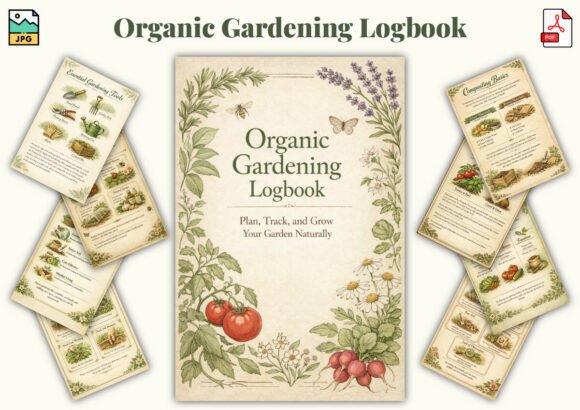
This logbook, with its vintage botanical aesthetic and 25 pages of structured layouts, serves as a bridge between your daily gardening tasks and a longer-term strategy. Whether you manage a small backyard plot, a community garden bed, or a series of raised beds, this tool helps you move from reactive planting to intentional cultivation.
Where the Logbook Fits in Your Gardening Workflow
Gardening is a cyclical process. Each season involves planning, planting, maintaining, harvesting, and reflecting. The Organic Gardening Logbook is built to support every stage of that cycle, but its real value lies in how it connects those stages into a coherent system.
Before the Season Starts: Planning and Preparation
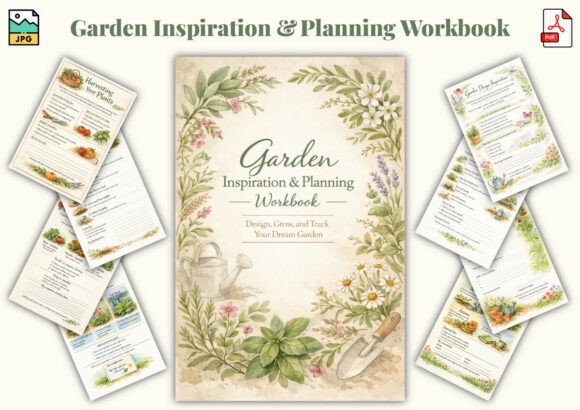
The most effective gardens are planned on paper before a single seed goes into the ground. The logbook includes garden planning layout worksheets that allow you to map out beds, decide crop placements, and rotate families to prevent soil depletion. This is where you consider companion planting relationships, plan for succession sowing, and allocate space based on sun exposure and water access.
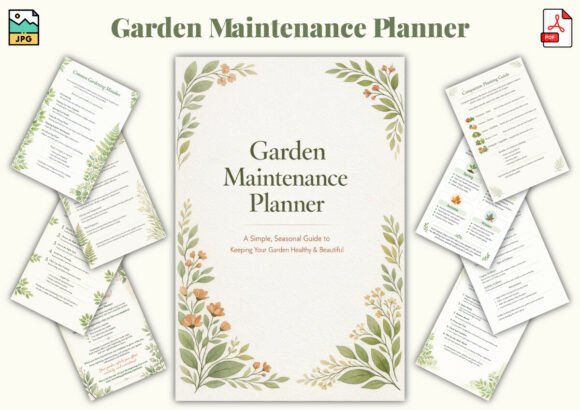
Use the soil preparation maintenance checklists to assess your soil health before planting. Test pH, amend with compost, and note any deficiencies. This upfront work reduces problems later and gives you a clear baseline for tracking changes over time.
- Map out bed layouts and crop rotations
- Record soil test results and amendments applied
- Plan companion planting combinations for pest management
- Set realistic planting timelines based on your local frost dates
During the Growing Season: Tracking and Adjusting
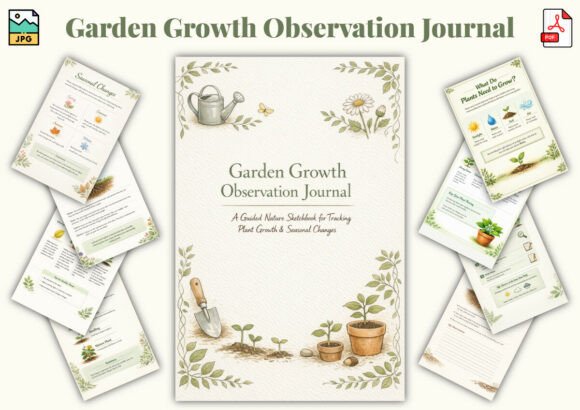
Once seeds are in the ground, the logbook becomes a daily or weekly reference. The seed planting and growth tracking logs let you record germination dates, transplanting times, and growth milestones. This data is invaluable when you want to replicate a successful variety or troubleshoot a slow start.
The pest control and companion planting tips section isn’t just a list—it’s a decision framework. When you notice aphids on your brassicas, you can flip to the logbook, check what companion plants are nearby, and decide whether to introduce beneficial insects or apply a natural spray. Over time, your notes build a personalized pest management strategy.
Composting and natural fertilizing guides help you track your inputs. Record when you turned the pile, what materials you added, and when the compost is ready to use. This turns composting from a vague habit into a measurable part of your nutrient cycle.
After Harvest: Reflection and Expense Tracking
Harvest tracking and expense tracking are the two pages that often get overlooked but deliver the most long-term value. Record what you harvested, how much, and what you spent on seeds, amendments, tools, and water. This data helps you calculate your garden’s true yield and cost-efficiency.
The monthly and seasonal reflection pages give you space to step back. What worked well this month? What pests emerged? Did your watering schedule need adjustment? These reflections are the raw material for next season’s plan.
Integrating the Logbook with Other Tools and Methods
The Organic Gardening Logbook works best when paired with other resources you already use. Here are a few ways to integrate it into a broader gardening workflow.
Digital and Physical Tools
If you also use gardening apps or spreadsheets, the logbook can serve as a field notebook. Take it into the garden, jot down observations, and later transfer key data to your digital system for long-term analysis. The 6×9 inch size is portable enough to carry to the compost bin or greenhouse.
Seed Catalogs and Reference Books
When you review seed catalogs in winter, use the logbook’s planning pages to record varieties you want to try. Then cross-reference with your harvest tracking notes from previous years to see which families produced well. This closes the loop between research and real-world results.
Community and Shared Gardens
If you garden with others, the logbook becomes a shared record. Use the planning worksheets to assign beds or tasks. The expense tracker helps manage shared budgets for soil, seeds, and tools. The reflection pages can be discussed at seasonal meetings to improve group practices.
Practical Implementation Tips for Different Users
The logbook’s value depends on how consistently you use it. Here are practical ways to fold it into your routine based on your experience level and goals.
For Beginners: Build a Reliable Foundation
Start with just two or three pages: soil preparation, seed planting log, and monthly reflection. Don’t try to fill every section at once. The goal is to build a habit of recording what you do and observe. Over a single season, you’ll have a reference that helps you avoid repeating mistakes and replicate successes.
- Keep the logbook in a waterproof bag near your garden tools
- Set a weekly reminder to update the growth tracking logs
- Use the reflection pages to write one or two concrete observations each month
For Experienced Gardeners: Refine Your Systems
If you already have a basic tracking method, use the logbook to add layers of detail. Focus on the expense tracker and composting guides to quantify your inputs. Use the pest control section to document which companion planting combinations gave the best results under your specific conditions. This turns intuition into documented knowledge.
For Educators and Workshop Leaders
The logbook’s clean layout and vintage design make it suitable for teaching. Use the planning worksheets in a workshop to demonstrate crop rotation. Have participants fill out a seed planting log during a hands-on session. The structured format helps learners grasp the workflow behind organic gardening without feeling overwhelmed.
Ensuring Consistency and Long-Term Use
A logbook is only useful if you keep using it past the first few weeks. Here are factors that support long-term adoption.
- Keep it visible: Store the logbook where you’ll see it every day—on a kitchen counter, near the back door, or in a garden shed. Out of sight means out of mind.
- Start small: Fill in one or two entries per week rather than attempting a complete daily record. Consistency beats perfection.
- Review quarterly: Every three months, read your past reflection pages. This reinforces learning and motivates adjustments.
- Pair it with a garden calendar: Use the logbook alongside a seasonal calendar or planting guide for your region. The logbook captures your specific data; the calendar provides context.
Quality Control and Practical Observations
The 25-page count is intentional. It provides enough space for a full growing season without becoming bulky or intimidating. Each page serves a distinct function, which encourages focused use rather than random note-taking.
The vintage botanical style is more than aesthetic. A calm, visually pleasant layout reduces friction when you sit down to write. If the tool feels good in your hands, you’re more likely to use it regularly. The 6×9 inch format fits standard shelves and bags, making it easy to store alongside other reference materials.
The JPG and PDF file format means you can print additional pages or access the logbook digitally if you prefer typing notes. This flexibility supports both analog and hybrid workflows.
Bringing It All Together
The Organic Gardening Logbook is not a passive diary. It’s a structured system for capturing the decisions, observations, and results that make organic gardening work. When used consistently, it transforms scattered notes into a reliable reference that improves with each season.
Whether you are planning your first raised bed or fine-tuning a mature garden, this logbook gives you a clear framework to organize your efforts. The planning worksheets help you start with intention. The tracking logs keep you accountable during the growing months. The reflection pages ensure you learn from every harvest.
By integrating this tool into your weekly routine, you build a personal knowledge base that makes you more efficient, more observant, and more connected to the natural cycles you’re working with. That’s the difference between gardening by guess and gardening by design.